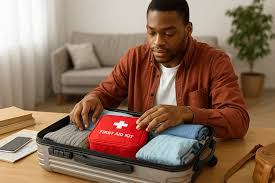
Life is unpredictable, especially when families are on the move or exploring new destinations. Whether it is a weekend outing, a long vacation, or even daily routines, being prepared for unexpected injuries or health emergencies is essential. First aid readiness is not just a skill set but a mindset that ensures safety, confidence, and quick response when it matters most.
Why First Aid Preparedness Matters?
Families and travellers often find themselves in unfamiliar environments where immediate medical assistance may not be readily available. In such moments, knowing how to respond can prevent a minor issue from becoming a serious problem. From cuts and burns to allergic reactions or sudden illnesses, first aid knowledge empowers individuals to act quickly and effectively.
Preparedness also reduces panic. When people understand what steps to take, they can stay calm under pressure, which is crucial during emergencies. This calm approach often leads to better decision-making and improved outcomes.
Building A Family First Aid Plan
Every household should have a basic first aid plan that includes essential supplies and clear instructions. A well-stocked kit is the foundation of preparedness. It should include bandages, antiseptics, gauze, adhesive tape, scissors, and medications for common issues such as pain or allergies.
Beyond supplies, communication is key. Family members should know where the kit is stored and how to use its contents. Teaching children simple first aid practices can also make a big difference. Even basic awareness can help them respond appropriately or seek help when needed.
Training plays a major role here. Enrolling in courses that offer fast first aid and CPR training ensures that families are equipped with practical skills rather than just theoretical knowledge. These programs often simulate real-life situations, making it easier to remember and apply techniques during emergencies.
Travel Safety And Emergency Awareness
Travel introduces a new set of risks. Different climates, activities, and environments can increase the likelihood of injuries. For example, beach trips may involve sunburns or dehydration, while hiking can lead to sprains or insect bites.
Travellers should always carry a portable first aid kit tailored to their destination. It is also wise to research nearby medical facilities and emergency contact numbers before arriving. Being informed about local health risks and safety guidelines adds another layer of protection.
In situations where time is critical, having knowledge of fast CPR techniques can be lifesaving. Immediate action during cardiac emergencies significantly increases survival chances, especially when professional help is delayed.
Teaching Children And Group Members
Preparedness should extend to everyone in the group, not just adults. Children can learn simple actions such as cleaning a wound or calling for help. Making first aid education interactive and age-appropriate encourages them to retain important information.
For group travel, assigning roles can improve response efficiency. One person can manage the first aid kit, another can contact emergency services, and others can assist the injured individual. This organised approach minimises confusion and speeds up response time.
Staying Ready In Outdoor And Coastal Areas
Outdoor and coastal destinations often come with unique challenges. Activities like swimming, surfing, or exploring rocky areas can increase the risk of injuries. It is imperative to be cognizant of these hazards and to take the necessary precautions.
In regions like First Aid Gold Coast, where outdoor lifestyles are popular, first aid readiness becomes even more important. Sun exposure, water-related incidents, and physical activities require quick and informed responses to ensure safety.
Wearing protective gear, staying hydrated, and following safety guidelines can prevent many incidents. However, accidents can still happen, and that is where first aid knowledge proves invaluable.
Keeping Skills Updated
First aid techniques and guidelines evolve over time. Regularly updating skills ensures that individuals are using the most effective and recommended practices. Attending refresher courses or practising scenarios at home can help maintain confidence and readiness.
It is also beneficial to stay informed about new tools and resources that can enhance first aid response. Mobile apps, instructional videos, and updated manuals can serve as helpful references during emergencies.
Conclusion
Staying prepared is one of the most responsible steps families and travellers can take. First aid readiness is not just about having a kit but about having the knowledge and confidence to act when it matters most. By building a solid plan, learning essential skills, and staying aware of potential risks, individuals can create a safer environment for themselves and those around them. Preparedness turns uncertainty into control. With the right approach, families and travellers can enjoy their experiences while knowing they are ready to handle unexpected situations with confidence and care.