Why Professional Event Photography is the New Currency of the Fort Worth Business & Culture Landscape
In the heart of the Fort Worth Stockyards, beneath the amber glow of a sunset that seems to linger specifically for the benefit of a Texas postcard, a Longhorn cattle drive moves with rhythmic, dusty precision. To a tourist with a smartphone, it’s a “quick snap” for an Instagram story. But to the commercial event photographer perched on a strategic ledge, it is a study in dynamic range, texture, and brand storytelling.
As Fort Worth continues its meteoric rise as a global hub for both Fortune 500 summits and world-class music festivals, the demand for visual excellence has shifted from a luxury to a baseline requirement.
Whether it’s a high-stakes energy conference at the Fort Worth Convention Center, a sweaty, neon-drenched rock set at Magnolia Avenue’s indie venues, or a black-tie gala at the Kimbell Art Museum, the way these moments are captured dictates their legacy.
In this deep-dive feature, we explore the intricate world of commercial event photography in “Cowtown,” dissecting why the delta between a “DIY” effort and professional mastery is wider—and more expensive—than most organizers realize.
The Fort Worth Canvas: A Diverse Landscape of Light and Shadow
Fort Worth is a city of dualities. One moment you are in the sleek, glass-and-steel modernity of Sundance Square; the next, you are surrounded by the weathered brick and timber of the 19th-century West. For a photographer, this city is a playground—but a treacherous one.
1. The Corporate Summit: Precision in the Boardroom
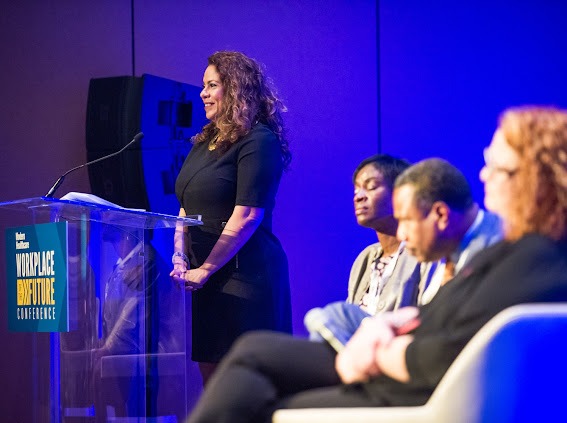
At conferences held in the Omni or the Convention Center, the objective isn’t just to prove people were in the room. It’s to document momentum. Professional photographers in this space act as silent observers of networking, capturing the “handshake that changed the deal” or the keynote speaker in a moment of peak gesticulation.
The challenge here is often “The Great Beige Wall.” Large ballrooms are notorious for flat, uninspiring yellow light that turns skin tones muddy and professional attire into a blur of grey. A pro brings a “lighting kit” that the untrained eye never notices: subtle off-camera flashes that add depth, and fast lenses that blur out distracting exit signs and half-eaten catering plates, keeping the focus on the human connection.
2. The Concert Circuit: Chasing the Ghost of Sound
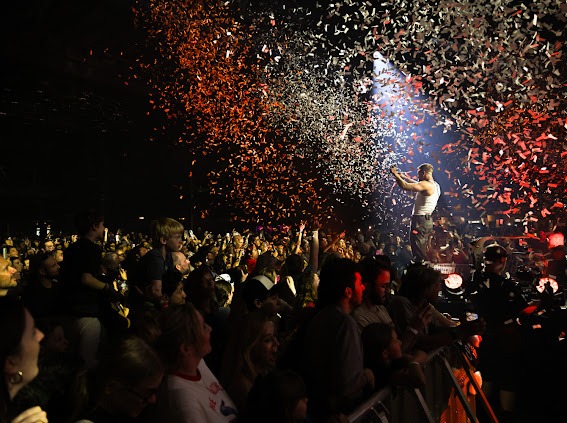
From the massive stages of Dickies Arena to the intimate, low-light “vibe” of Tulips FTW, concert photography is perhaps the most difficult discipline in the industry. It is a battle against strobe lights, smoke machines, and rapid movement.
In Fort Worth’s legendary music scene, a DIY smartphone photo often results in a “noisy,” grainy blob of purple light where a singer’s face should be. A professional concert photographer utilizes “Spot Metering”—calculating light only on the artist’s face while letting the background fall into a cinematic black. They don’t just take pictures; they capture the vibration of the bass.
The Professional vs. DIY: A Strategic Autopsy
In an era where every attendee has a 48-megapixel camera in their pocket, the question “Why hire a pro?” is common. The answer lies in the difference between capturing a memory and building a brand asset.
The “Invisible” Skill Gap
A professional photographer arrives 90 minutes early to scout the “dead zones” of a venue. They know that at 4:00 PM, the light through the windows of a specific venue will create a harsh glare on the presenter’s screen. They plan for it.
DIY Pitfall: The Distraction Trap
When an internal staff member is tasked with “taking a few photos,” they are mentally divided. They miss the CEO’s laugh because they were checking their own email, or they stand in the middle of the aisle, blocking the view of VIP guests. A professional is a “ghost”—present enough to get the shot, but subtle enough to never break the flow of the event.
The Gear Reality: Beyond Megapixels
Megapixels are a marketing myth for consumers; Glass (lenses) and Sensors (light processing) are the reality for pros.
- The Pro Advantage: A $2,000 lens allows a photographer to stand at the back of the room and capture a crisp, emotional close-up of a speaker’s eyes.
- The DIY Reality: Digital zoom on a phone destroys image quality, turning a distant speaker into a pixelated “watercolor painting” that looks unprofessional in a year-end report.
The Magic of Post-Production
The shoot is only 50% of the job. In the “digital darkroom,” a Fort Worth pro uses software to perform “Color Correction.” They ensure the company’s specific brand of “Navy Blue” looks the same in the photos as it do on the website, despite the venue’s weird green fluorescent lights. They remove a stray power cord from the floor or a “Photobombing” trash can in the background.
The ROI: Why High-End Imagery is an Investment, Not an Expense
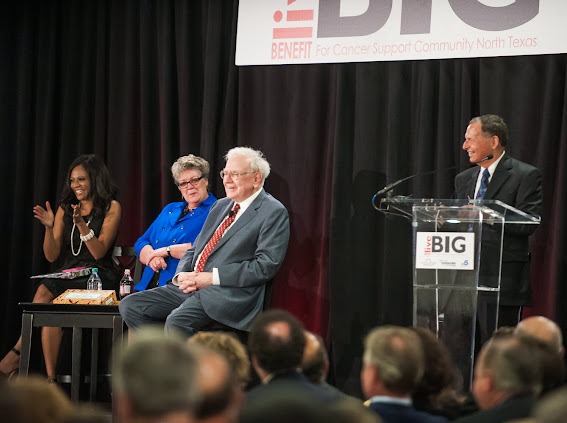
For a commercial entity, professional photos are “multi-use ammunition.” A single high-quality gallery from a Fort Worth event can fuel:
- Next Year’s Ticket Sales: Use “FOMO” (Fear Of Missing Out) by showing the energy and scale of the previous year.
- Press Releases: Local outlets like the Fort Worth Business Press or Fort Worth Magazine are significantly more likely to run a story if you provide them with a “magazine-ready” high-resolution file.
- Recruitment: Showing a vibrant, engaged company culture helps attract top-tier talent in the competitive DFW job market.
- Sponsorship Fulfillment: Sponsors want to see their logo looking “heroic” on the big screen. A grainy phone photo of their logo does not encourage a renewal of their contract.
The “Cowtown” Nuance: Cultural Context Matters
A photographer from New York might not understand the specific “look” of a Fort Worth event. There is a “Western Elegance” here—a mix of ruggedness and high-tier sophistication. A local pro knows how to frame the wood-paneled walls of the Petroleum Club or the botanical textures of the Japanese Gardens to tell a story that feels “authentically Fort Worth.”
They understand the “Fort Worth Way”—a blend of friendliness and professionalism. They know how to interact with a high-net-worth donor at a museum gala and a roadie at a rock show with equal ease.