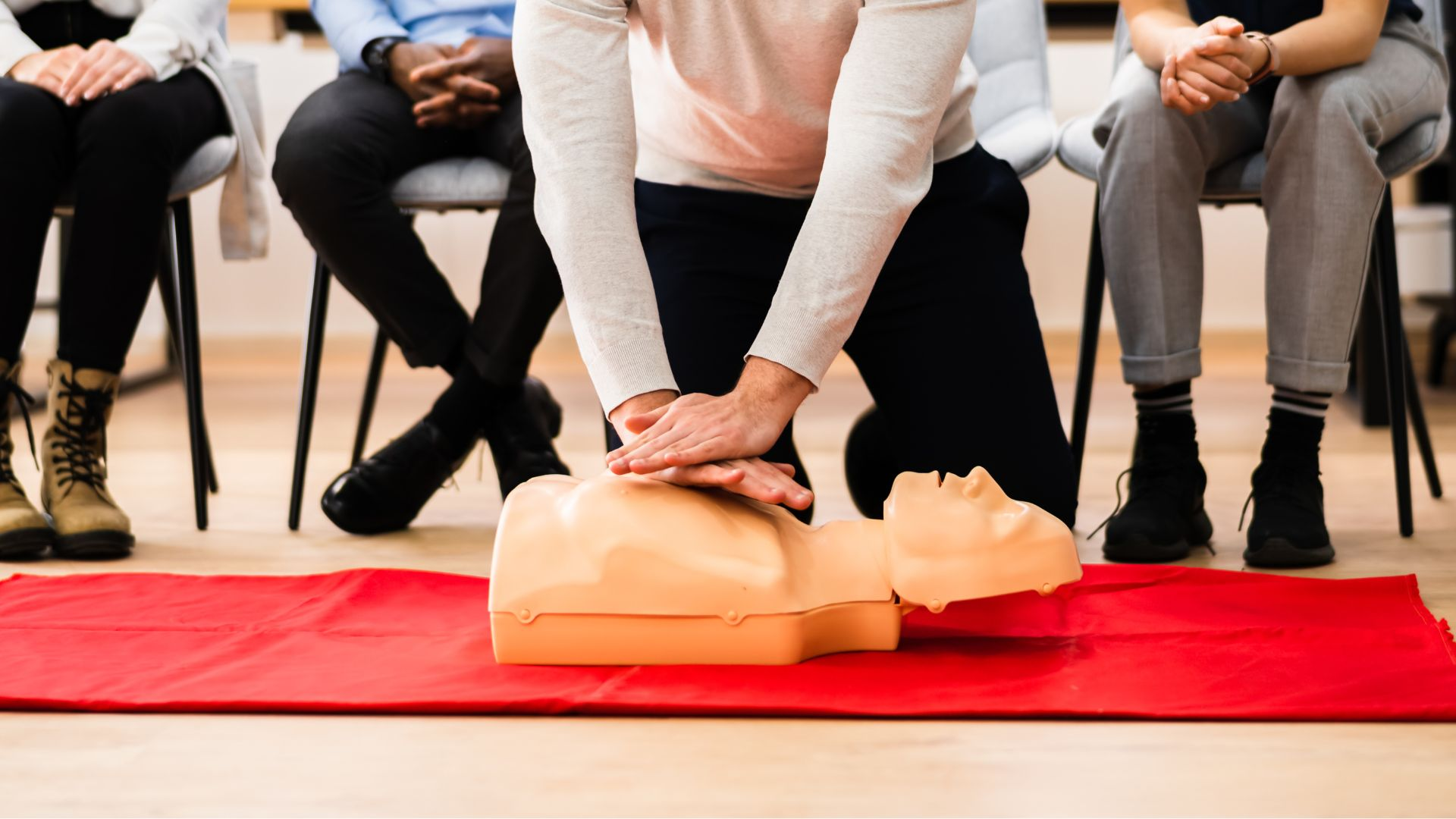
In sectors where workers encounter possible risks on a daily basis, workplace safety has emerged as a major concern. There is always a chance of mishaps, whether on building sites or in electrical situations. In the event of an emergency, firms may guarantee that their employees are ready to react promptly and efficiently. Hands-on LVR CPR training, which gives employees crucial life-saving skills specific to high-risk scenarios, is one of the most beneficial strategies to increase this preparedness.
Recognising The Value Of Quick Reaction
The first minutes are crucial in emergency situations. The quickness and precision of the reaction may have a big impact on the result, whether it’s an electrical shock incident or a sudden cardiac attack. Workers who are taught to take immediate action are better equipped to stabilise a situation until expert medical assistance comes. Practical training guarantees that people can successfully execute processes under pressure, in addition to being aware of them.
Practical workshops enable learners to mimic real-life crises, in contrast to theoretical learning. This exposure improves decision-making abilities and strengthens muscle memory. Employees acquire the self-assurance to evaluate hazards, secure the location, and promptly start the necessary rescue operations.
Practical Learning’s Place In Safety Education
The gap between knowledge and action is filled via experiential learning. Employees are more likely to remember and use skills appropriately when they physically practice them. Participants in CPR/LVR courses learn how to minimise personal danger when successfully rescuing someone from a low-voltage electrical source.
Realistic situations that resemble working settings are often included in these training sessions. Workers become acquainted with the tools, equipment, and difficulties they could face by practising in settings that resemble their real working locations. Their capacity to stay composed and productive in emergency situations is improved by this kind of immersion learning.
Increasing Employee Confidence
An essential component of emergency response is confidence. People may hesitate even when they know what to do if they don’t have any real-world experience. By providing trainees with many chances to practice skills like chest compressions, rescue breathing, and safe electrical isolation, hands-on CPR/LVR training overcomes this problem.
Employee confidence increases as they get more used to these processes. This enhances their effectiveness on an individual basis and helps the team respond more cohesively. When many employees are educated, they may help one another out in an emergency, making sure that no important step is missed.
Lowering Risks And Liabilities At Work
Businesses that make investments in hands-on safety training show a strong dedication to the welfare of their workforce. This proactive strategy may minimise possible liabilities and assist in lowering workplace dangers. Effective response training may typically lessen the severity of events, resulting in fewer injuries and quicker recovery times.
Furthermore, adherence to safety standards and regulations is mandatory for several businesses. In addition to ensuring that businesses meet these standards, practical training promotes a culture of accountability and readiness. When workers are aware of the significance of safety procedures and have exercised them in real-world situations, they are more likely to adhere to them.
Promoting A Safety-Aware Culture
Responding to crises is just one aspect of safety. Preventing them is another aspect of it. Employees are encouraged to become more aware of their surroundings and possible risks via training programmes that include hands-on activities. They get a greater understanding of how accidents happen and how to prevent them as they practice rescue skills.
Making smarter decisions at work is a result of this increased knowledge. Employees start to recognise hazards before they become more serious, making the workplace safer for everybody. This safety culture eventually permeates the company, which is advantageous to management and staff alike.
Long-Term Advantages Of Practical Training
Practical safety training has benefits that go beyond quick emergency response. Workers are more likely to remember their abilities and use them when necessary if they get practical training. Frequent refresher courses maintain these abilities current and sharp.
Additionally, a team with proper training may increase overall production. Employees are more focused and self-assured in their responsibilities when they feel protected and prepared. Stronger team chemistry and increased morale are two benefits of this pleasant atmosphere.
In Conclusion
Enhancing workplace safety requires more than just laws and regulations. Participation, practical experience, and a commitment to continuous improvement are necessary. Employees who get hands-on LVR CPR training are equipped with the skills and self-assurance necessary to react appropriately in emergency circumstances.
Organisations that engage in this kind of training not only safeguard their workers but also foster a culture of readiness and accountability. Having a workforce with life-saving talents may make all the difference in high-risk sectors where every second counts.