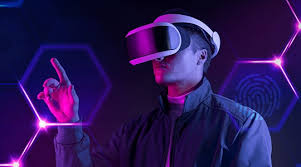
Virtual Reality (VR) is no longer just a futuristic concept—it’s a rapidly growing technology reshaping how we experience entertainment, education, and even social interaction. From immersive gaming worlds to virtual workspaces, VR is becoming a key part of modern digital life. If you’re curious about how to explore this exciting space, understanding the latest trends and tools is the perfect place to start. Platforms like VRSpy make it easier to stay infor
med by offering insights, updates, and in-depth coverage of the VR industry.
What Is Virtual Reality and Why It Matters
Virtual Reality is a simulated digital environment that users can interact with using specialized devices such as VR headsets and controllers. Unlike traditional screens, VR creates a sense of presence, making you feel like you’re inside the experience rather than just observing it.
This technology matters because it changes how we consume content. Instead of passively watching, users actively participate. Whether it’s exploring a virtual city, attending a digital event, or training for a real-world task, VR opens up endless possibilities.
Key Virtual Reality Trends Shaping the Future
1. Immersive Gaming Experiences
Gaming continues to lead the VR revolution. Developers are creating more realistic environments, better physics, and interactive storytelling. Players can now move, interact, and make decisions that directly impact gameplay.
2. Social Virtual Spaces
VR is transforming how people connect. Social platforms allow users to meet, chat, and collaborate in virtual environments. These spaces feel more personal than traditional video calls, offering a sense of real presence.
3. VR in Education and Training
Educational institutions and companies are using VR to simulate real-life scenarios. For example:
- Medical students can practice surgeries
- Pilots can train in flight simulators
- Employees can learn workplace skills safely
This hands-on approach improves learning outcomes and engagement.
4. Virtual Tourism
Travel lovers can now explore destinations virtually. From historical landmarks to exotic locations, VR allows users to experience places without physically being there.
5. Integration with Artificial Intelligence
AI is making VR smarter. Virtual environments can now adapt to user behavior, creating personalized and dynamic experiences.
Benefits of Virtual Reality in Daily Life
Virtual Reality is not just for entertainment—it has practical applications that improve everyday life.
Enhanced Learning
Interactive simulations make learning more engaging and effective.
Better Remote Work
Virtual offices allow teams to collaborate in shared digital spaces, making remote work more interactive.
Healthcare Applications
VR is used in therapy, rehabilitation, and pain management, offering innovative solutions for patients.
Creative Opportunities
Artists, designers, and creators can build immersive experiences, pushing the boundaries of creativity.
How to Get Started with Virtual Reality
If you’re new to VR, getting started is easier than you might think.
Choose the Right Equipment
Start with a VR headset that fits your budget and needs. Entry-level options are great for beginners, while advanced systems offer higher performance.
Set Up Your Space
Ensure you have enough room to move safely. Clear any obstacles to avoid accidents.
Explore Beginner-Friendly Apps
Start with simple applications to get comfortable with controls and navigation.
Stay Updated
The VR industry evolves quickly. Following reliable sources helps you stay informed about new developments, tools, and experiences.
Tips to Enhance Your VR Experience
To make the most of your VR journey, keep these tips in mind:
- Take regular breaks to avoid fatigue
- Adjust headset settings for comfort
- Try different types of content
- Engage with VR communities for recommendations
These small steps can significantly improve your overall experience.
Challenges Facing Virtual Reality
Despite its growth, VR still faces some challenges:
Cost of Equipment
High-quality VR systems can be expensive, though prices are gradually decreasing.
Motion Sickness
Some users experience discomfort during extended use, but improvements in technology are reducing this issue.
Limited Content
While content is expanding, there is still room for more diverse and high-quality experiences.
Future of Virtual Reality
The future of VR looks incredibly promising. Advancements in hardware and software will make experiences more realistic and accessible. Innovations like wireless headsets, improved graphics, and haptic feedback will enhance immersion.
Industries such as healthcare, education, and retail are expected to adopt VR more widely. As technology evolves, VR could become a standard part of everyday life.
Why Staying Updated Is Important
In a fast-moving field like VR, staying informed is crucial. New tools, platforms, and trends emerge constantly. By keeping up with the latest developments, you can:
- Discover new experiences
- Make informed decisions about technology
- Stay ahead in professional fields
Reliable platforms play a key role in providing accurate and timely information.
Conclusion
Virtual Reality is transforming how we interact with digital content, offering immersive experiences that were once unimaginable. From gaming and education to healthcare and social interaction, VR is shaping the future in exciting ways.
Whether you’re a beginner or an experienced user, exploring VR can open up new opportunities and experiences. To stay updated on the latest trends, tools, and innovations, you can always visit vrspy.com and keep yourself informed in this rapidly evolving digital world.