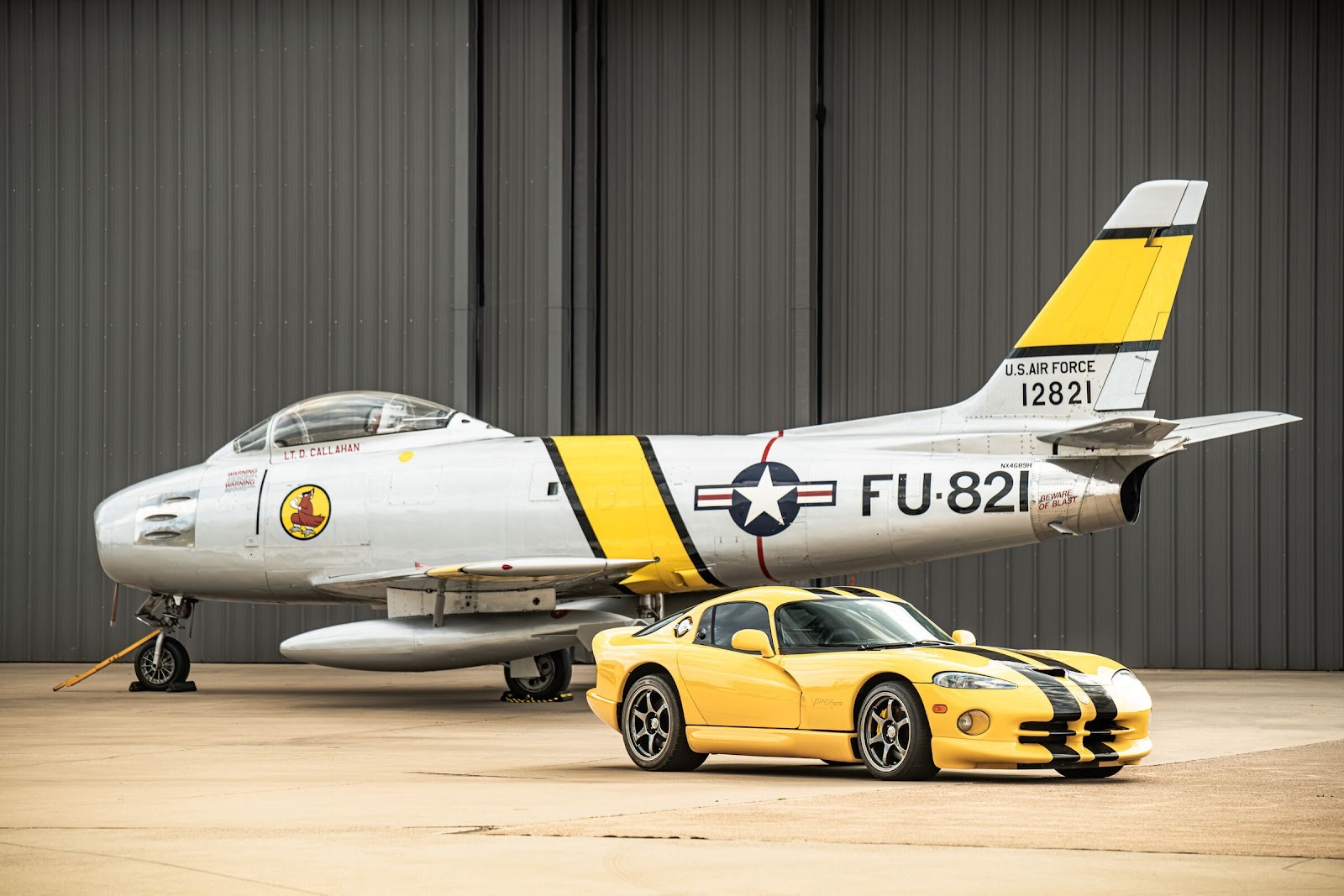
Automotive photography is more than just documenting a vehicle; it is about capturing a lifestyle, a design philosophy, and the relationship between a machine and its environment. In 2026, as the automotive industry pivots toward bold, futuristic designs and sustainable tech, the backdrops we choose must evolve to match. Whether you are shooting a vintage restomod or the latest high-performance EV, these ten locations offer the most compelling narratives for your lens.
1. The Bixby Creek Bridge & Big Sur, California
The Aesthetic: Rugged Coastal Elegance Best For: Grand Touring (GT) cars, Convertibles, and Luxury SUVs
Big Sur remains the undisputed heavyweight of American automotive backdrops. In 2026, the Pacific Coast Highway (PCH) continues to offer a “cinematic” quality that no studio can replicate. The Bixby Creek Bridge, with its iconic reinforced concrete arch, provides a sense of architectural scale that perfectly complements the sleek lines of a modern supercar.
Why 2026? With California’s continued push toward electric infrastructure, the PCH is now more accessible than ever for high-performance EVs, allowing for long-exposure “silent” shoots without the worry of range in remote stretches.
Pro Tip: Use a circular polarizer to manage the intense glare from the Pacific Ocean. Aim for “Golden Hour”—the 45 minutes before sunset—when the cliffs turn a deep amber and the bridge’s architecture is bathed in soft, directional light.
2. The Miami Design District, Florida
The Aesthetic: Ultra-Modern, High-Fashion, Vaporwave Best For: Exotics, Hypercars, and Custom “Stance” Builds
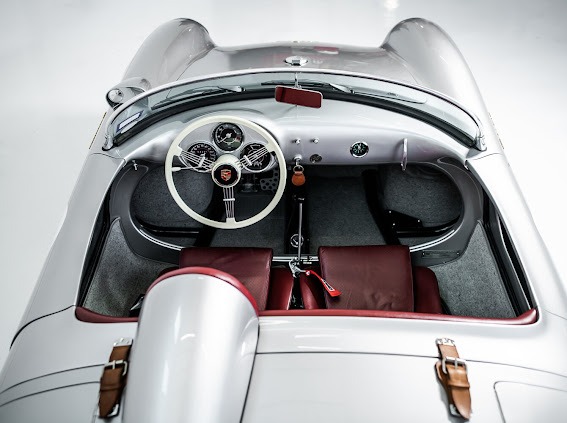
If your subject is a neon-colored Lamborghini or a highly modified JDM icon, Miami is your playground. The Design District is a curated neighborhood of high-end architecture, public art, and striking textures. The juxtaposition of a matte-finished car against the “Museum Garage”—a multi-story parking structure featuring surrealist art installations—creates a high-fashion editorial look.
Why 2026? Miami’s automotive scene has shifted toward “Art Basel” style exhibitions, where cars are treated as sculptures. The lighting in the Design District is optimized for social media aesthetics, featuring high-contrast shadows and vibrant pops of color.
Pro Tip: Night photography is king here. Bring a tripod and experiment with long exposures to capture the ambient neon glow reflecting off the car’s bodywork. Use light painting with a handheld LED wand to highlight the car’s “character lines.”
3. Bonneville Salt Flats, Utah
The Aesthetic: Minimalist, Otherworldly, High-Speed Best For: Speed Records, Land Rockets, and Experimental Prototypes
There is nowhere else on Earth like Bonneville. The blindingly white salt crust stretches to the horizon, creating a natural “white box” studio effect. This is the place to capture the raw essence of a car without the distraction of trees, buildings, or people.
Why 2026? Environmental conservation efforts have made access more regulated, making a successful shoot here a prestigious addition to any portfolio. In 2026, the contrast of a heritage internal combustion engine (ICE) vehicle against this ancient landscape tells a powerful story of “The Last of its Kind.”
Pro Tip: Watch your white balance. The salt can easily trick your camera’s light meter into underexposing the shot. Overexpose by +1 or +2 stops to ensure the salt looks white rather than gray. Also, immediately wash the car’s undercarriage after the shoot; the salt is incredibly corrosive.
4. The Blue Ridge Parkway, Virginia/North Carolina
The Aesthetic: Moody, Serene, Appalachian Gothic Best For: Classic Muscle, Heritage Brands, and Overlanding Rigs
Stretching 469 miles through the Appalachian Highlands, the Blue Ridge Parkway offers endless curves and misty overlooks. In 2026, the “slow travel” movement is at its peak, and this road is its cathedral. The tunnels carved through solid rock provide excellent opportunities for “rolling shots” and interior detail photography.
Why 2026? Fall foliage on the Parkway has become a global event. For the 2026 season, the contrast of “Cyber” gray or metallic EV finishes against the fiery oranges and reds of the mountains creates a striking visual dichotomy between nature and tech.
Pro Tip: Use a telephoto lens (70-200mm) from a distance to compress the landscape. This makes the mountains look larger and more imposing behind the vehicle. Look for “Mabry Mill” for a classic Americana vibe.
5. Downtown Detroit (The District), Michigan
The Aesthetic: Industrial Grit, Neo-Renaissance, “Motor City” Soul Best For: American Muscle, Heavy-Duty Trucks, and EV Flagships
You cannot talk about car photography without mentioning Detroit. The city’s ongoing revitalization has created a blend of restored historic landmarks and raw industrial decay. The Michigan Central Station, newly restored, serves as a magnificent backdrop for high-end luxury vehicles, while the “DeQuindre Cut” offers a vibrant, graffiti-laden urban vibe.
Why 2026? Detroit in 2026 is a tech hub. The contrast between the city’s rugged history and its “Silicon Valley of the Midwest” future is palpable. Capturing a cutting-edge autonomous vehicle in the shadows of the old Packard Plant creates a “then vs. now” narrative that is highly sought after by editorial magazines.
Pro Tip: Explore the rooftops of parking structures around Woodward Avenue. They provide a “top-down” view of the city’s grid, allowing you to place the car in a sprawling urban context.
6. Sedona’s Red Rock Loop, Arizona
The Aesthetic: Martian, Vibrant, Spiritual Best For: Off-roaders, Adventure EVs, and Concept Cars
Sedona offers a color palette unlike any other: deep crimson rocks against a piercing turquoise sky. The winding roads around Cathedral Rock and Red Rock State Park provide a dramatic “Mars-like” environment. This is the premier location for showcasing the ruggedness of a new 4×4 or the aerodynamic silhouette of a supercar.
Why 2026? The rise of “Luxury Overlanding” has made Sedona a focal point for high-end off-road photography. In 2026, the trend is moving toward “Integrated Technology,” where cars are shown interacting with the harsh environment.
Pro Tip: Use a circular polarizer to deepen the blue of the sky and make the red rocks “pop.” Mid-day light can be harsh here, so aim for the “Blue Hour” (just after sunset) to get a soft, ethereal glow on the vehicle.
7. The Brooklyn Waterfront (DUMBO), New York
The Aesthetic: Architectural, Iconic, Gritty-Chic Best For: Luxury Sedans, Tech-Heavy Commuters, and Lifestyle Brand Shoots
Capturing a car with the Manhattan Bridge or the NYC skyline in the background is the ultimate “status” shot. DUMBO (Down Under the Manhattan Bridge Overpass) offers cobblestone streets and industrial brick buildings that provide a timeless, high-contrast environment.
Why 2026? The 2026 urban car culture in NYC is heavily focused on “Micromobility” and “Compact Luxury.” Small, high-end city cars look right at home in these narrow, historically rich streets.
Pro Tip: Logistics are the biggest challenge here. You often need a permit for professional shoots, and crowds are constant. Plan your shoot for 5:30 AM on a Sunday morning to get the streets to yourself and capture the soft morning light hitting the skyscrapers across the East River.
8. Glacier National Park (Going-to-the-Sun Road), Montana
The Aesthetic: Epic, Scale-Defying, Pristine Best For: Adventure Vehicles, Rugged SUVs, and All-Wheel-Drive Sports Cars
This is arguably the most beautiful road in North America. The Going-to-the-Sun Road offers 50 miles of hairpin turns, waterfalls, and glacial peaks. The scale here is so immense that even a large SUV can look like a toy. It is the perfect place to communicate the “freedom of the open road.”
Why 2026? As 2026 marks a period of heightened climate awareness, photographing an eco-friendly vehicle in this fragile, melting landscape carries a significant message of conservation and responsible exploration.
Pro Tip: Use a wide-angle lens (16-35mm) to capture both the car and the massive peaks. Position the car on the “outside” of the curves to allow the road to lead the viewer’s eye through the frame. Note: This road is usually only open from late June to early October.
9. Las Vegas Strip & The Valley of Fire, Nevada
The Aesthetic: High-Energy, Synthetic, Cinematic Best For: Modified Cars, Drift Missiles, and Supercars
Las Vegas offers two distinct worlds within 45 minutes of each other. The Strip provides the ultimate “Night City” aesthetic with its millions of LEDs and chaotic energy. The Valley of Fire, by contrast, offers surreal Aztec Sandstone formations that look like they were carved by hand.
Why 2026? The 2026 SEMA Show and various “Formula 1” tie-in events have cemented Vegas as the global capital of “New Car Culture.” The city is designed for spectacle, and your photography should reflect that.
Pro Tip: For the Strip, use a slow shutter speed while the car is moving to create “motion blur” in the neon lights. For the Valley of Fire, use a drone (where permitted) to capture the car winding through the red canyons from a “God’s eye” perspective.
10. The Oregon Coast (Cannon Beach to Bandon)
The Aesthetic: Moody, Ethereal, Fog-Drenched Best For: Minimalist Designs, Silver/Gray Palettes, and Rugged Wagons
The Pacific Northwest offers a “mood” that you can’t find in the sunny south. With its towering sea stacks (like Haystack Rock) and constant coastal mist, the Oregon coast is perfect for “desaturated” and “cinematic” photography. The damp pavement provides beautiful reflections that add depth to your shots.
Why 2026? The “Outdoor Noir” aesthetic is a major trend in 2026. This location is perfect for the “Dark Mode” car designs that have become popular in the luxury segment.
Pro Tip: Don’t fear the rain. A wet car body captures reflections of the environment in a way that a dry one cannot. Use a CPL filter to control the reflections on the wet asphalt and make the car’s paint “shimmer” through the fog.
Final Thoughts for 2026
In 2026, the best automotive photography isn’t just about the car; it’s about the context. We are seeing a shift away from overly-processed, “perfect” images toward more authentic, storytelling-driven shots. Whether you are in the dust of the Utah salt flats or the neon of Miami, focus on how the light interacts with the car’s materials—the glass, the carbon fiber, and the recycled composites.
The United States remains a vast, varied canvas. The key to a great 2026 portfolio is to match the vehicle’s “soul” to the landscape that speaks its language. Happy shooting.