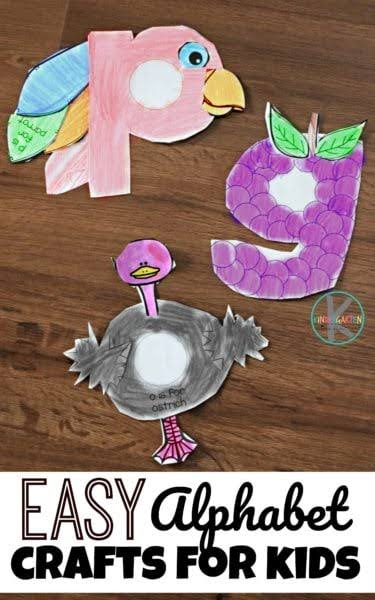
Simple lowercase writing can become much more attractive when you add shape, color, spacing, and creative details. A bubble letters lowercase guide can help beginners understand how ordinary letters can turn into playful and decorative designs. You do not need advanced drawing skills to start because even small changes can make regular handwriting look artistic.
Decorative lowercase lettering works well for school projects, handmade cards, journals, posters, scrapbooks, and digital designs. The key is to begin with simple letter shapes and slowly add creative elements without making the words difficult to read.
Start with Clear Lowercase Letter Shapes
Before adding decoration, practice writing lowercase letters in a clean and balanced way. Write the alphabet slowly and focus on keeping the height and spacing similar.
Letters such as a, c, e, m, n, and o usually have rounded forms, while letters like l, t, and f use taller strokes. Understanding these basic shapes makes it easier to decorate them later.
Try writing each letter several times. You can experiment with wider letters, narrow letters, or slightly tilted forms until you find a style that feels comfortable.
Make the Letters Thicker
One of the easiest ways to turn normal handwriting into decorative art is by adding thickness. Write a lowercase letter first, then draw another line beside its main strokes.
This technique creates an outlined or bubble-style appearance. You can keep the inside empty, fill it with color, or add small patterns.
Rounded corners usually make lowercase letters look softer and more playful. Sharp corners can create a modern or bold appearance, so choose the style that matches your project.
Add Shadows for a 3D Effect
Shadows can instantly make simple writing look more detailed. After drawing your lowercase letters, add a second line slightly below and to one side of each letter.
Keep the shadow direction the same throughout the entire word. This small detail creates the illusion that the letters are raised from the page.
You can leave the shadow plain or fill it with a darker pencil shade. A simple shadow often works better than adding too many complicated effects.
Use Patterns Inside the Letters
Decorative lettering becomes more interesting when you add patterns inside thick lowercase letters. Small dots, stripes, stars, hearts, waves, and simple geometric shapes can all work well.
Try using one pattern across an entire word for a neat design. You can also use different patterns for each letter if you want a more playful look.
Avoid making the patterns too crowded. Leaving some empty space helps the lettering stay easy to read and visually balanced.
Experiment with Colors
Color can completely change the mood of your decorative writing. Soft colors can create a cute and calm design, while bright colors can make the letters more energetic.
You can use one color for every letter or create a simple color combination. Another option is to make a gradient by moving from a light shade to a darker shade.
Colored pencils, markers, gel pens, and brush pens can all work well. Test the colors on another piece of paper first to make sure they look good together.
Add Small Decorations Around the Words
You do not have to decorate only the inside of the letters. Small illustrations around the words can make the whole design feel more complete.
For example, you can draw flowers, stars, clouds, leaves, tiny hearts, or simple sparkles around the lowercase writing. Match these decorations with the theme of your project.
A birthday design might include balloons and confetti, while a nature-themed page might use leaves and flowers. Keep the decorations small enough so the lettering remains the main focus.
Play with Letter Size and Position
All lowercase letters do not need to stay on one straight line. Changing their size or position can create a fun handmade style.
You might make one letter slightly taller or place another letter a little lower. You can also curve the whole word upward or downward.
These small changes give the design personality. However, make sure the letters still connect visually so people can easily understand the word.
Create Outlines Around the Whole Word
Another creative technique is to draw a border around an entire lowercase word. Write the word first, make each letter thicker, and then draw a loose outline around the outside.
This technique works especially well for titles, posters, labels, and notebook covers. The extra border helps the lettering stand out from other elements on the page.
You can also add a second outline to make the word appear even bolder.
Combine Different Decorative Techniques
Once you feel comfortable, start combining several techniques in one design. You could use thick lowercase letters with a shadow, patterns, and small stars around the edges.
Try not to use every effect at once. Two or three decorative features are usually enough to make the lettering attractive without making it look busy.
For example, rounded bubble letters with striped interiors and a simple shadow can create a clean and creative result.
Practice with Short Words First
Short words are easier to decorate because they allow you to focus on each individual letter. Start with words such as love, happy, smile, dream, or create.
Once your letters look consistent, move on to longer phrases. You can then use your decorative lowercase writing for quotes, headings, invitations, and personalized artwork.
Regular practice also helps you develop your own lettering style instead of copying one design every time.
Final Thoughts
Turning simple lowercase writing into decorative art mainly requires patience, creativity, and practice. Start with clean letter shapes, then experiment with thicker outlines, shadows, colors, patterns, and small illustrations until you discover a style you enjoy. You can also explore https://bubble-letters.net/ for more visual ideas and lettering inspiration while practicing different lowercase designs. With time, even basic handwriting can become colorful decorative artwork that works beautifully in cards, posters, notebooks, scrapbooks, and many other creative projects.