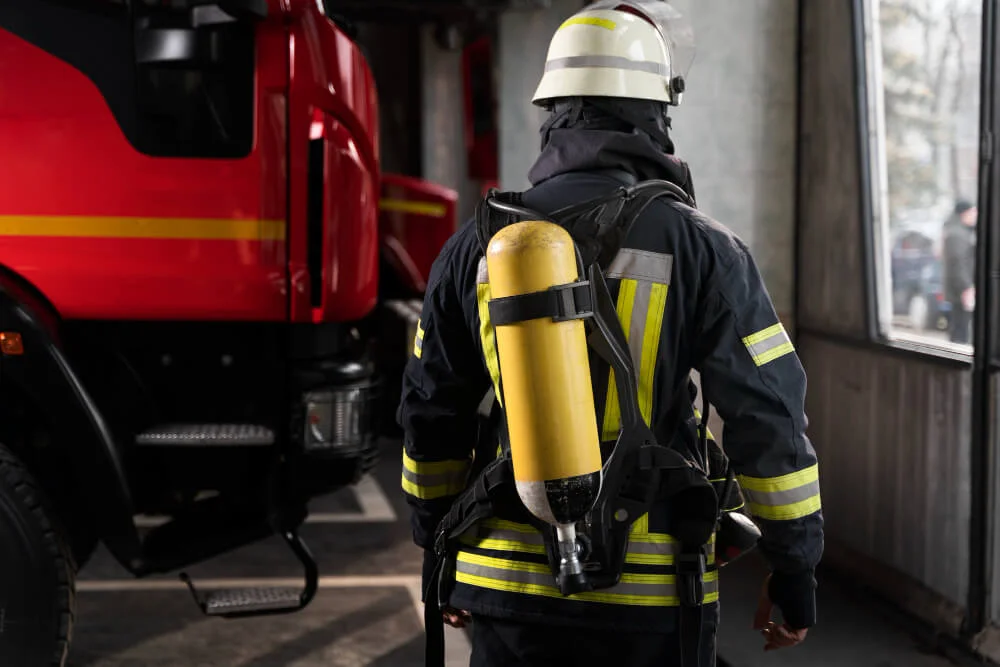
Commercial properties require clear safety procedures to reduce risks during daily operations. Buildings often face temporary hazards when alarm systems fail or maintenance work takes place. During such situations, trained personnel help maintain order through constant observation and reporting.
Many property owners search for consistent methods to reduce fire-related fears. A structured monitoring process helps classify issues before they become larger problems. Proper observation also supports compliance requirements across different commercial settings.
When discussing property protection, fire watch services sacramento often become part of planning discussions for offices, retail centers, warehouses, and mixed-use facilities. These services provide continuous oversight when standard protection systems are unavailable.
Supporting Property Oversight
Commercial locations require regular monitoring to identify concerns early. Trained personnel conduct routine patrols throughout designated areas. Their observations help maintain awareness during temporary system outages. Detailed reporting creates a reliable record of site conditions.
Maintaining Daily Awareness
Routine inspections help recognize unusual conditions before they escalate. Continuous observation supports orderly operations across different property types. Staff members receive timely updates when concerns arise. Clear communication improves overall site management efforts.
Common Duties During Monitoring Periods
Trained personnel perform scheduled observations throughout the assigned property. Their reports help management maintain awareness during temporary protection gaps.
- Conduct regular patrols across designated business premises each shift
- Record observed conditions using clear, documented inspection reports
- Check restricted sections for unusual activity during rounds
- Report maintenance concerns requiring immediate management attention promptly
- Verify emergency exits remain visible and accessible throughout operations
- Observe equipment areas for signs indicating possible concerns
- Maintain communication records supporting operational accountability requirements
- Provide timely updates regarding changing site conditions observed
Temporary System Outage Management
Alarm repairs, sprinkler maintenance, or electrical upgrades can create periods of reduced protection. During these situations, observation personnel maintain a visible presence throughout the property. Regular patrol schedules help ensure important areas receive attention. Documented findings support management decisions while systems are restored.
Could Businesses Reduce Risks Through Structured Monitoring?
Commercial operations often continue during repair projects or equipment servicing. These activities may temporarily affect normal protection measures. Structured observation provides additional awareness during these periods. Personnel review designated zones while documenting conditions requiring attention.
Management teams benefit from receiving organized reports that describe observed situations. This information supports quicker responses when unusual conditions appear. Regular patrol activity also promotes greater accountability across the property.
Improving Incident Response Readiness
Prepared response procedures help personnel react efficiently when issues occur. Defined communication channels reduce delays during reporting activities. Organized documentation supports coordination among management teams. This process strengthens operational control during unexpected events.
Frequently Asked Operational Questions
- What purpose do monitor personnel serve during outages? They maintain observation until systems return.
- When are these services commonly required? During repairs, inspections, or maintenance periods.
- How often are patrols conducted? According to approved site requirements.
- What information appears in reports? Observations, locations, actions taken, plus timestamps.
- Can large facilities receive coverage? Yes, multiple areas can receive monitoring.
- Does documentation support compliance reviews? Yes, records assist verification procedures.
Areas Requiring Additional Attention
Certain sections of commercial properties require closer observation because activity levels remain higher. Storage locations, utility spaces, loading zones, and public access points often receive additional review. Frequent inspections help identify developing concerns before they affect operations.
Operational Records and Reporting Standards
Accurate documentation strengthens accountability across commercial properties. Reports create a clear history of observations made during assigned periods. Managers can review recorded information when evaluating site conditions. Consistent reporting also supports communication among responsible personnel.
The phrase fire watch services sacramento is often associated with maintaining organized oversight during periods when normal protective systems are unavailable. Proper observation procedures support continuity while helping management remain informed about changing site conditions.
Building Strong Long-Term Safety Practices
Reliable property protection depends on preparation, observation, and consistent follow-through. Small observations often prevent larger concerns from developing. Consistent execution remains more valuable than seeking perfect conditions. A structured approach helps maintain order while supporting responsible property management over time.