
Home backup generators protect your house when the grid fails, but the system is only as reliable as its battery. Poor charging habits and weak maintenance can cut battery life short, leave you with unreliable backup power, and raise replacement costs. This guide explains how charging patterns, temperature, and load affect battery life, and outlines clear, practical steps to extend it. You will learn how to avoid deep discharges, choose smart charge controllers, and maintain stable charging conditions. You will also see why regular inspections and proper storage matter as much as daily use. Follow these tips to keep your home generator battery ready, efficient, and long‑lasting.
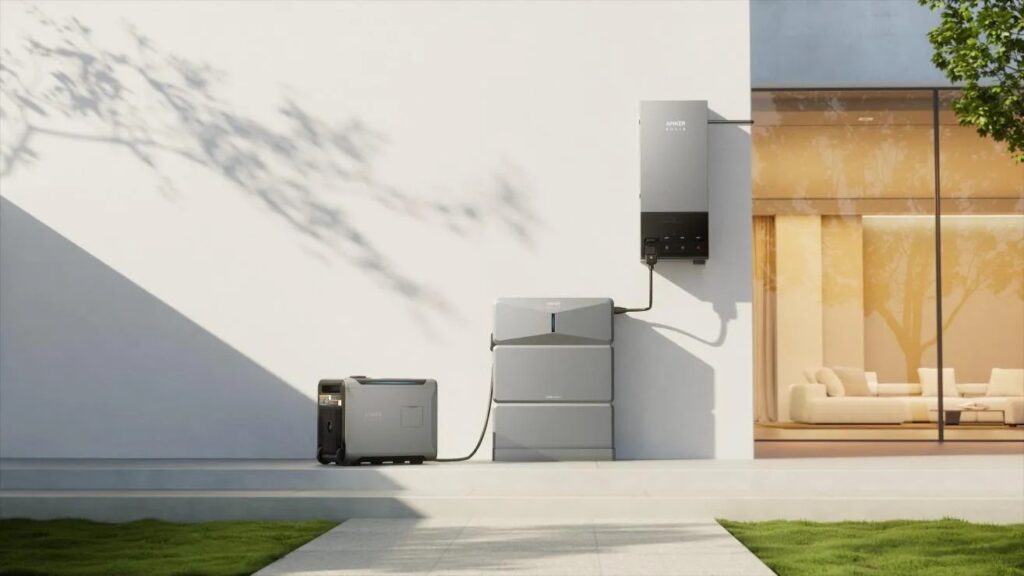
Key Factors That Affect Generator Battery Lifespan
Depth of Discharge and Charging Cycles
Battery lifespan depends heavily on depth of discharge and total charging cycles. Deeply draining a generator battery to very low levels before recharging shortens its usable life. Each full discharge and recharge counts as a cycle, and most batteries only support a limited number of cycles. Frequent deep cycles cause internal wear, reduce capacity, and weaken performance during outages. Aim to recharge before the battery drops too low. Shallow, more frequent charges reduce stress on battery cells and extend overall lifespan, especially for lead‑acid and lithium home backup systems.
Temperature, Environment, and Storage Conditions
Temperature strongly influences battery health. High heat accelerates chemical reactions, leading to faster degradation, while very low temperatures restrict performance and available capacity. Place your generator and battery bank in a cool, dry, and ventilated area, away from direct sunlight, moisture, and corrosive fumes. Avoid dusty or dirty locations that can clog vents and cause overheating. If your system includes solar charging, keep related components sheltered from extreme weather where possible. Stable, moderate temperatures and clean surroundings help maintain consistent voltage, reduce self‑discharge rates, and support long‑term battery reliability and safety.
Load Management and Power Usage Patterns
How you use power from your generator matters as much as how you charge it. Heavy, sustained loads force the battery to deliver more current, which heats internal components and increases wear. Short bursts of high demand also create voltage dips that strain electronics. Prioritize critical loads and avoid running unnecessary devices during backup use. Spread out starting times for large appliances to prevent big surges. Use energy-efficient lights and devices to lower overall demand. Smart load management reduces deep discharges, smooths usage patterns, and helps your generator battery maintain capacity for more years, especially in systems comparable to advanced whole house generators setups.
Best Charging Practices to Extend Battery Life
Avoid Overcharging and Use Smart Charge Controllers
Overcharging forces excess current into a full battery, which creates heat, gas buildup, and permanent damage to internal plates or cells. To prevent this, integrate a quality smart charge controller or charger matched to your battery type. These devices monitor voltage and current, then adjust or stop charging automatically when the battery reaches a safe level. Look for multi‑stage charging profiles that include bulk, absorption, and float stages. This approach tops up the battery efficiently, then maintains it at a gentle level. You avoid constant high‑voltage charging, which greatly extends battery lifespan.
Charge at the Right Time and Maintain Stable Input
Timely charging helps keep your generator battery healthy. Do not wait until the battery is almost empty before starting a charge cycle. Instead, recharge when it drops to a manufacturer‑recommended level, often around 40–60 percent for many chemistries. Keep the input source stable: use quality cables, proper grounding, and surge protection to avoid voltage spikes or dips. If you charge with solar, position panels for consistent exposure and avoid shading that causes fluctuating output. Stable charging conditions reduce stress on the battery’s internal structure and support consistent performance during outages.
Use Partial Charging and Avoid Deep Discharges
Deep discharges, where the battery drops below recommended voltage, shorten life and reduce capacity. Most home generator batteries last longer when you use partial discharges and recharge before they get too low. This approach reduces the depth of each cycle, which lowers mechanical and chemical strain on the cells. Set your system or controller to trigger charging at a conservative threshold. During extended outages, manage loads carefully so the battery does not reach critical levels. Over time, consistent partial charging helps maintain higher usable capacity and more reliable backup power for your home.
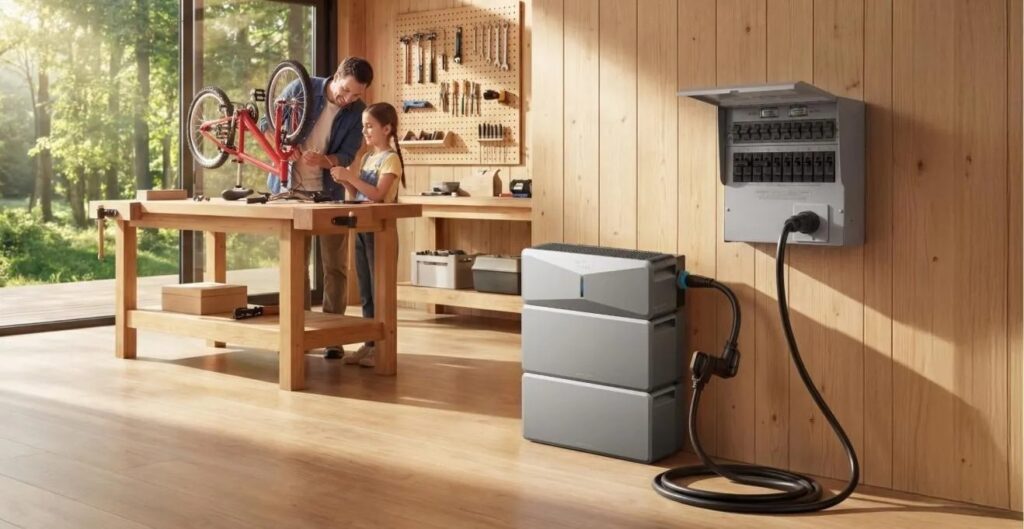
Maintenance Tips to Keep Your Generator Battery Healthy
Clean Solar Panels and Ensure Maximum Energy Input
If your generator system uses solar charging, clean panels play a key role in battery health. Dirt, dust, leaves, and bird droppings reduce solar output, which leads to slower, less effective charging. Use soft brushes, clean water, and non‑abrasive cloths to remove buildup without scratching the surface. Check for shading from trees or nearby structures and trim branches where safe. Well‑maintained panels provide stronger, more consistent power to the charge controller and battery bank. This helps prevent chronic undercharging, a common cause of sulfation and capacity loss in backup generator batteries.
Inspect Cables, Connections, and Battery Condition Regularly
Loose or corroded cables waste energy, create heat, and lead to irregular charging. Inspect all battery terminals, lugs, and connectors regularly. Look for signs of corrosion, such as white or green buildup, and clean them using a suitable brush and recommended cleaning solution. Tighten any loose connections, but avoid overtightening that may damage posts. Check cable insulation for cracks or wear, and replace damaged sections promptly. Also, monitor battery casing for bulges, leaks, or discoloration. Early detection of physical or electrical issues prevents sudden failures and helps keep charging efficiency high.
Store Your Generator Properly During Inactive Periods
When you do not plan to use your generator for a while, proper storage protects the battery. Fully charge the battery, then disconnect non‑essential loads to minimize self‑discharge. Store the generator and battery in a cool, dry, and ventilated space, away from direct sun and freezing conditions. Use a maintenance or float charger if recommended, so the battery stays at an optimal level without overcharging. Avoid leaving the battery discharged for long periods, as this encourages sulfation and permanent capacity loss. Good storage habits ensure your system starts reliably after downtime.
Conclusion
A reliable home generator depends on a strong, well‑maintained battery and smart charging habits. By limiting the depth of discharge, managing loads, and maintaining stable charging conditions, you greatly extend battery life. Smart charge controllers, partial charging, and regular inspections prevent common failures and high replacement costs. Clean solar panels and proper storage during inactive periods keep your system ready for emergencies. These practical steps require little time but deliver real gains in reliability and performance. Apply them to your home generator setup, so your battery provides dependable backup power whenever the grid goes down.